
Key Takeaways
- Polarized lenses block harsh horizontal light waves to reduce visual glare.
- They also maintain sharper details and richer colours outdoors.
- These frames help your eyes stay comfortable on bright sunny days.
- Ultraviolet protection acts differently and shields your overall eye health.
- You might need different glasses for reading digital screens or driving at night.
Polarized Lenses Cut Glare
You step outside on a summer afternoon and you’re forced to squint against the blinding light that’s bouncing off the pavement. Our team at Parkview Optometry understands how these kinds of bright reflections can hide the sharp details of the world around you.
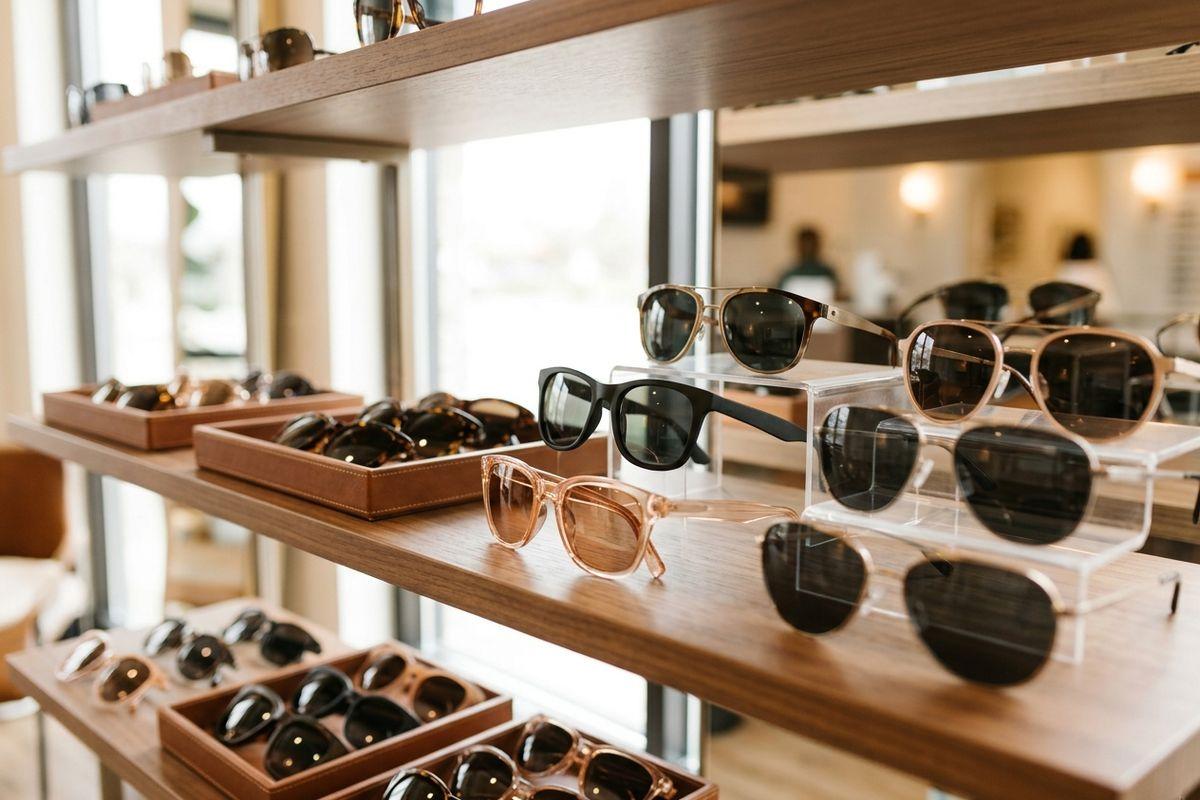
Polarized sunglasses Polarized sunglasses act like a specialized filter for your eyes by filtering out the harsh horizontal light that bounces off flat surfaces. This helps reduce intense glare so that you can see your surroundings clearly and comfortably. Whether you’re in your daily community or out on a weekend hike, time spent outdoors is that much more enjoyable when you don’t have to fight the sun.
How Polarized Lenses Block Glare
How Horizontal Light Acts
When sunlight hits a flat surface like a calm lake or a smooth car hood, the light waves bounce off horizontally and reflect back into your eyes. This creates a patch of glare that can force you to cover your face or look away.
Wearing proper protective sunglasses helps manage this intense reflection before it leads to severe eye fatigue.
The Vertical Filter Solution
Polarized lenses offer a clever fix. The manufacturer applies a special chemical coating in a vertical pattern across the lens. This coating acts as a filter that blocks horizontal light, while still allowing vertical light waves through. You get to enjoy your day without all the glare.
Benefits of Polarized Sunglasses
Clearer Vision & Contrast
Removing glare changes how you experience the outdoors. You’ll see details more clearly, and the world won’t seem washed out when you’re outside.
More Visual Comfort
Squinting for hours leaves you with tired eyes and a headache by the end of the day. A polarized filter blocks glare for you, so that you don’t need to squint in order to see. This means that your eyes should feel more comfortable at the end of a long day.
Ultraviolet Protection Versus Polarization
Two Different Functions
Many people mix up ultraviolet defense and glare reduction. They’re actually two different things.
Dark lenses without ultraviolet filters can actually harm your eyes, as the dark tint causes your pupils to open wider, increasing your exposure to UV light.
Choosing lenses with proper UV protection helps lower your risk of developing conditions like cataracts later in life.
What Your Eye Doctor Recommends
You want sunglasses that offer both UV protection and polarization in one stylish package. Our team believes in matching fashion with function, so that you look great while supporting your eye health.
If you want to know more, feel free to schedule a regular eye exam to discuss your options. An open conversation helps you find the right level of defense for your daily routine.
When to Wear Polarized Glasses
On the Water
Boating and fishing are often more enjoyable when you cut out the glare of open water. Polarized lenses let you see below the surface, so you can scout for fish or keep an eye out for rocks before your boat gets too close.
Everyday Outdoor Activities
Summer road trips require good visibility. However, glare from the cars ahead of you can quickly lead to eye fatigue.
The right lenses cut that glare, so you can focus on the road and enjoy the scenic drive.
When Alternative Eyewear Makes Sense
Digital Screens & Displays
The same technology that blocks glare also clashes with modern screens. Many digital screens rely on horizontal light, so looking at them through polarized lenses can make the display warp or vanish completely.
If you spend your days on a computer, you might want to consider prescription lenses to manage screen time instead of dark or polarized sunglasses.
Winter Sports And Night Travel
Sometimes you actually need glare to stay safe. Downhill skiers, for instance, rely on the glare of ice to avoid slippery patches on the mountain.
Night drivers also need different lenses because dark tints reduce too much visible light after sunset.
In these situations, you might explore contact lenses or clear glasses. Keeping a spare pair of clear lenses in your car is a great way to make sure that you can drive safely after dark.
Finding the right combination of luxurious style and daily function helps you make the most of every sunny day. Our team at Parkview Optometry can help you explore modern frames that fit your lifestyle and your budget. Stop by our clinic to try on a new pair of polarized glasses today.