Key Takeaways
- Children should receive their first eye exam between the ages of 6 and 9 months, again before starting school, and then annually during school-aged years.
- Healthy adults 18 to 64 are usually recommended to have an eye exam every 2 to 3 years.
- Adults 65+ should have annual eye exams, as their risk for developing eye conditions is higher.
- Glasses wearers, contact lens wearers, and people with diabetes or a family history of eye disease may need visits more often.
- Blurry vision, eye pain, floaters, or flashes are reasons to book sooner.
- An eye exam checks both your prescription and the health of your eyes.
You put your glasses on every morning without thinking twice. They seem like they’re still working just fine, so you wonder if you really need to go for that eye exam you had scheduled. Our team at Parkview Optometry hears this question a lot, and we want you to understand why eye exams are important and when to get them.
For most healthy adults, getting an eye exam every 1 to 2 years can be a good rhythm. For children, a first eye exam between 6 and 9 months, followed by annual eye exams during their school-aged years, can help monitor for any vision changes. For adults 65+, an annual eye exam can help detect early signs of vision changes that may otherwise go unnoticed. Many eye diseases have no symptoms in the early stages, which is why regular eye exams matter.
Eye Exam Timelines by Age
Children should receive their first eye exam between 6 and 9 months to check for common childhood eye conditions, like strabismus or congenital concerns. It’s a good idea to have another eye exam before starting school, then annually during school-aged years, to monitor for vision changes that could affect learning.
For healthy adults between 18 and 64, eye exams every 2 to 3 years can be a good general pattern to follow. After 65, annual eye exams become more important, as the risk for certain eye diseases or conditions increases with age. Your eye doctor may recommend more frequent visits based on your individual needs.
Why Kids Need Yearly Visits
So much of a child’s day runs on their vision. Reading a chapter book, tracking a ball across the field, squinting at a tablet on the drive home. When something’s off, kids don’t always know that something has changed, because they think everyone sees the world the way they do. Instead of telling you they can’t see, they just adapt.
That’s why visiting the eye doctor matters: Our team can monitor vision changes that can fly under the radar and recommend solutions to help them get back to their life.
What Changes After 65
Cataracts, glaucoma, and changes to the macula (the part of the retina responsible for central vision) become more common with age. Following the schedule your eye doctor suggests helps you track what’s changing and when.
Reasons You May Need Exams More Often
Not everyone fits neatly into the once-a-year rhythm. If you wear glasses or contact lenses, you may need regular visits to keep your vision comfortable and your lenses fitting well.
A family history of eye disease matters too. So do health conditions like diabetes, which can affect the eyes in ways you likely won’t feel or notice right away. Our team can help you land on a timeline that fits your situation.
Can You Wait 2 Years Between Eye Exams?
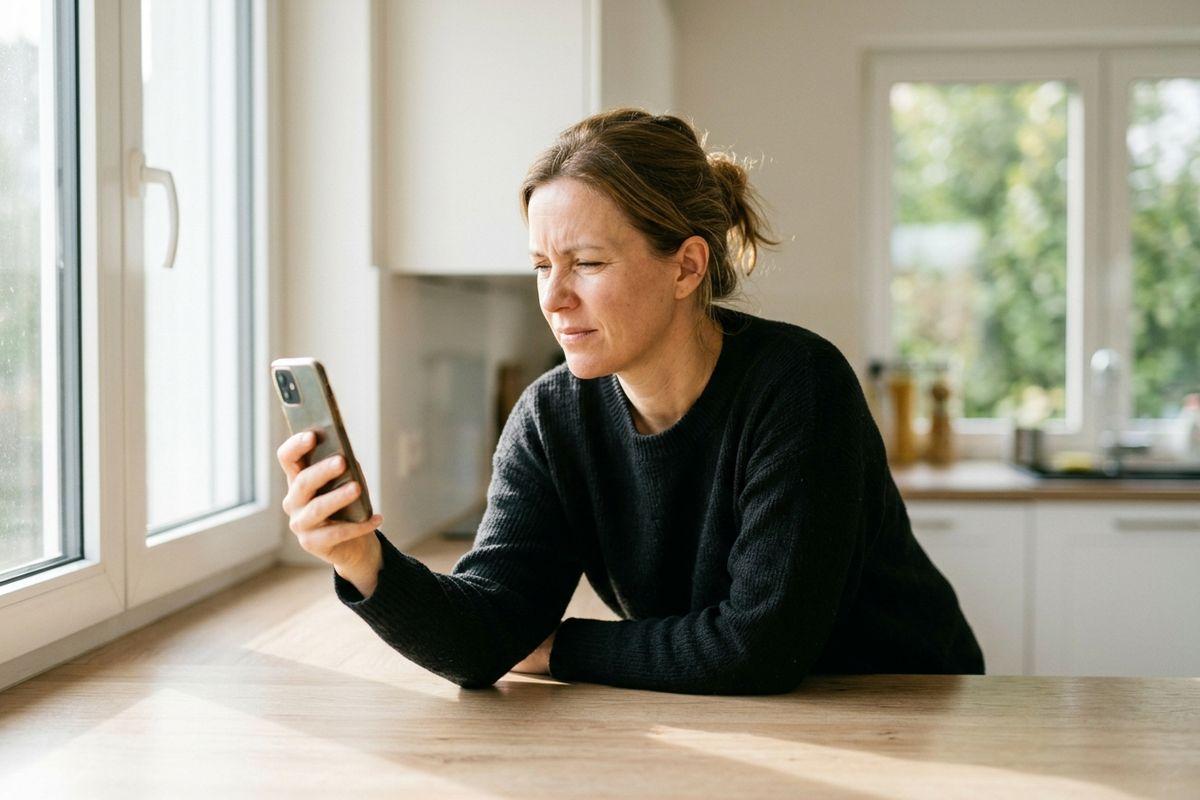
For many healthy people, waiting 2 years is perfectly fine. That being said, changes in your vision can happen slowly. You don’t wake up one day with a different prescription, you slowly start holding your phone a little farther away, or sitting a row closer at the theatre.
If you feel as though something has changed, don’t wait to come see us. Eye exams look for more than just how well you see: They can detect eye health changes that might otherwise go unnoticed.

Signs to Book an Appointment Sooner
Some symptoms shouldn’t wait for your next scheduled visit. If you notice any of the following, it’s a good idea to seek professional care promptly:
- Changes in vision, like sudden vision loss
- Severe eye pain
- Trauma to the eye
- Floaters, flashes of light, or halos around lights
Screen-Related Symptoms Worth a Mention
Long screen days leave their mark. Headaches by mid-afternoon, tired eyes, or a dry, gritty feeling can all make screen time feel worse than it has to be. Mention these symptoms of digital eye strain at your visit, because there are options to help.
What Happens During Your Eye Exam
Your visit starts with a conversation about your health history and a check of how clearly you see. From there, the eye doctor looks at how your eyes focus, how they work together as a team, and how they move. Then your optometrist checks your eye health and updates your prescription if needed.
How to Plan Your Next Visit
Bring your current glasses and contact lenses so your eye doctor can compare them to what you need now. Jot down any symptoms you’ve noticed and what you know about your family’s eye history.
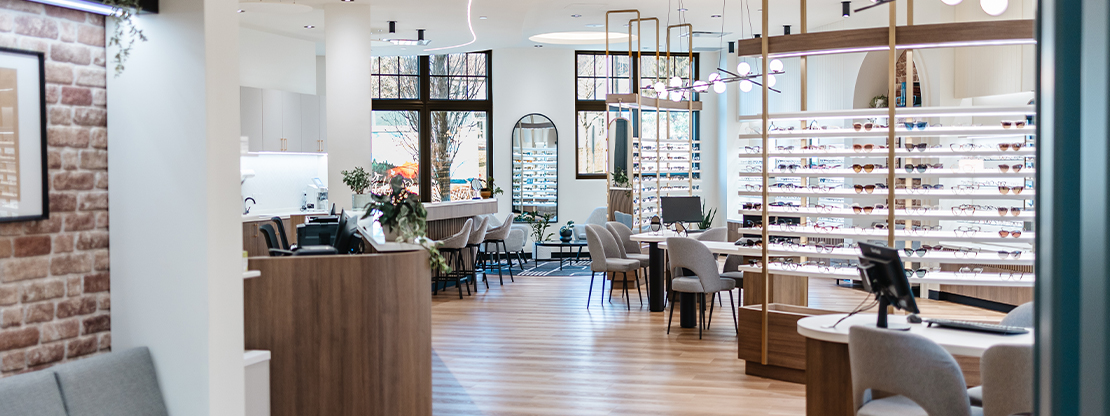
Then leave a few extra minutes to browse frames. Our staff can point you toward styles and lenses that suit how you actually spend your days.
Book Your Next Eye Exam
Eighty years of family eye care in Oshawa have shown the team at Parkview Optometry how much a regular visit can do, whether it’s a child’s first exam or a checkup you’ve been meaning to book since last spring. Reach out to schedule your appointment, and take your time picking out the frames while you’re there.