
Key Takeaways
- Myopia and hyperopia are both refractive errors, and both are very common.
- With myopia, distance vision looks blurry while close-up things typically stay clearer.
- With hyperopia, near work looks blurry while distance vision typically stays clearer.
- Squinting, tired eyes, and headaches can show up with either one.
- A minus number on your prescription means nearsightedness (-1.25), and a plus number means farsightedness (+1.25).
- An eye exam can pinpoint what’s behind the blur.
You hold your phone a little closer. Or maybe you slide back from the highway exit sign, squinting until the letters finally settle into place. Two people can both describe blurry vision and mean completely different things, and our team at Parkview Optometry hears both versions every week.
Myopia means distance vision looks blurry while nearby objects typically stay clearer. Hyperopia means the opposite, with close-up work looking blurry while distance typically stays clearer. Both are refractive errors, which simply means the eye doesn’t focus light the way it needs to for a sharp picture.
What Myopia Means for Your Vision
Myopia goes by another name you’ve likely heard more often: nearsightedness. It often shows up in childhood and tends to run in families. If both parents wear glasses for distance, there’s a good chance a child might too.
Signs to Watch For
The clues often show up in everyday moments rather than dramatic ones. Watch for:
- Trouble reading road signs or the board at school
- Squinting at anything far away
- Eye strain after a long day
- Headaches
Myopia Control for Kids
Myopia in children can progress over time, and there are options designed to help slow that progression. These include specific glasses, contact lenses, and prescription drops. Our team can walk you through what fits your child’s age and daily routine.
Balancing screen time with outdoor time helps too. Time outside gives young eyes a break from close-up focus.
What Hyperopia Means for Your Vision
Hyperopia is also called farsightedness. Reading a menu, threading a needle, or scrolling through a recipe can feel like work while the far end of the room stays sharp.
In children, mild hyperopia sometimes improves as their eyes grow. That’s one reason regular childhood eye exams matter, so changes get tracked over time instead of guessed at.
Signs to Watch For
Hyperopia usually shows itself during close work. Watch for:
- Blurry vision while reading
- Tired eyes after close work like homework or sewing
- Headaches
- Trouble focusing on anything held close

How Hyperopia Can Change with Age
Many people notice hyperopia more after 40. Near tasks start asking for more effort than they used to, and small print becomes the first thing to go.
Presbyopia is a separate thing, an age-related change in the lens inside your eye. The two can show up around the same stage of life, so an eye exam can sort out which one you’re dealing with.
Myopia and Hyperopia Key Differences and Overlap
One quick way to tell them apart is to ask what’s clear and what isn’t. Myopia blurs the distance and keeps near vision clearer. Hyperopia blurs near vision and keeps distance clearer.
Where they overlap is in how they feel. Squinting, eye strain, and headaches turn up with both, which is why symptoms alone don’t tell the whole story. Astigmatism is another refractive error entirely, and it can appear alongside either one.
How Each One Affects Daily Life
Neither one is necessarily worse than the other. What matters is the degree of the refractive error and what your days ask of your eyes. A long commute, a job spent close to a screen, and a hobby like beadwork all shape how noticeable it feels.
Your own prescription holds a clue. A plus number means farsightedness (+1.25). A minus number means nearsightedness (-1.25). The bigger the number, the stronger the correction needed.
How an Optometrist in Oshawa Can Help
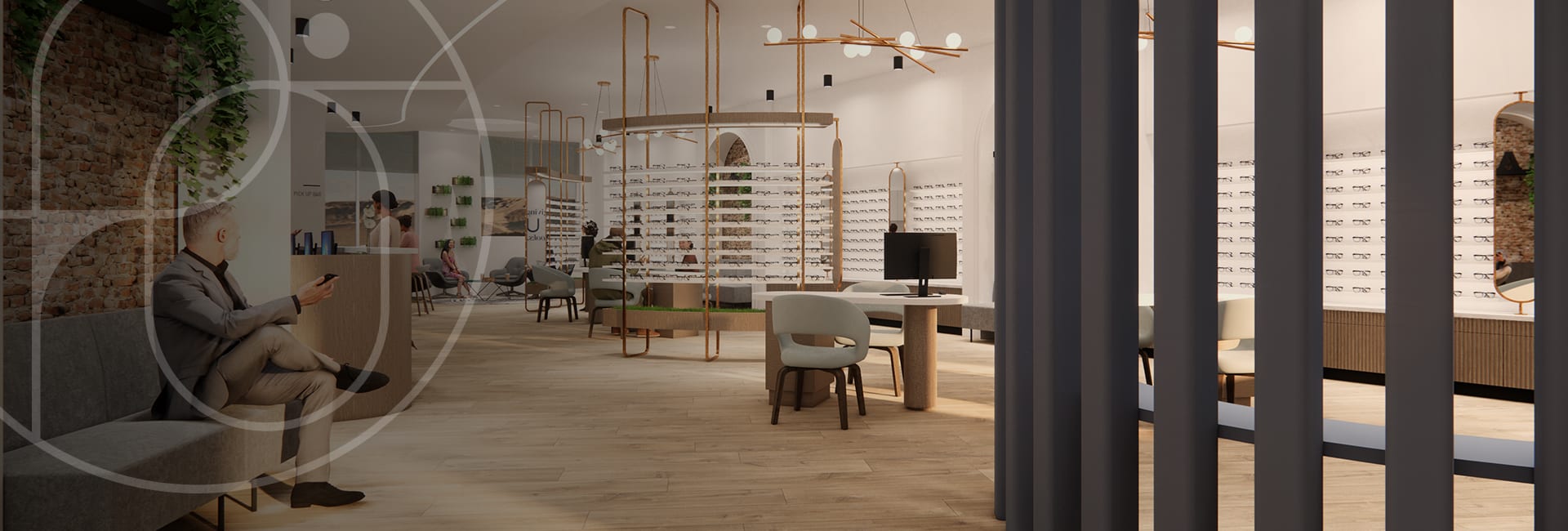
An eye exam pinpoints the source of the blur and how much correction you need. From there, you can choose what’s right for you with guidance from your optometrist. Glasses, contact lenses, and a laser eye surgery consult are all options, and our optical selection means you can choose frames you actually look forward to wearing.
When to Book an Appointment
It may be time to book an eye exam if you notice:
- Blurry vision at any distance, near or far
- Frequent squinting or headaches
- Difficulty with night driving
- Small print feeling harder to read than it used to
See Life Clearly
Whether the answer is your first pair of glasses or a fresh prescription, our team at Parkview Optometry can help you find what works for your eyes and your style. Book your eye exam today and get a clear answer about what you’re seeing.