Key Takeaways
- Your eyes show clear signs of your total body health.
- Your eye doctor can spot diabetes and high blood pressure during an eye exam.
- Rare health conditions often leave signs in your optic nerve.
- Regular visits help catch silent conditions like glaucoma.
- Adults need an exam every two years to maintain good vision.
Eye Exams Can Protect Your General Health
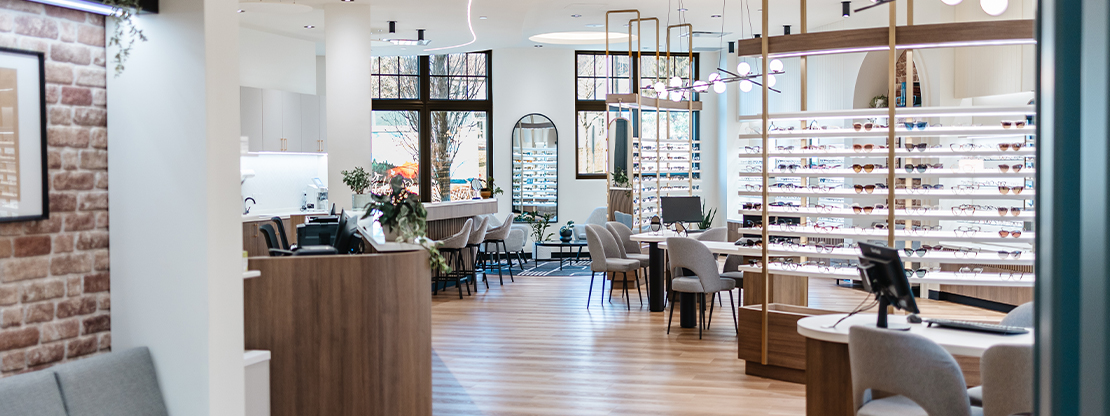
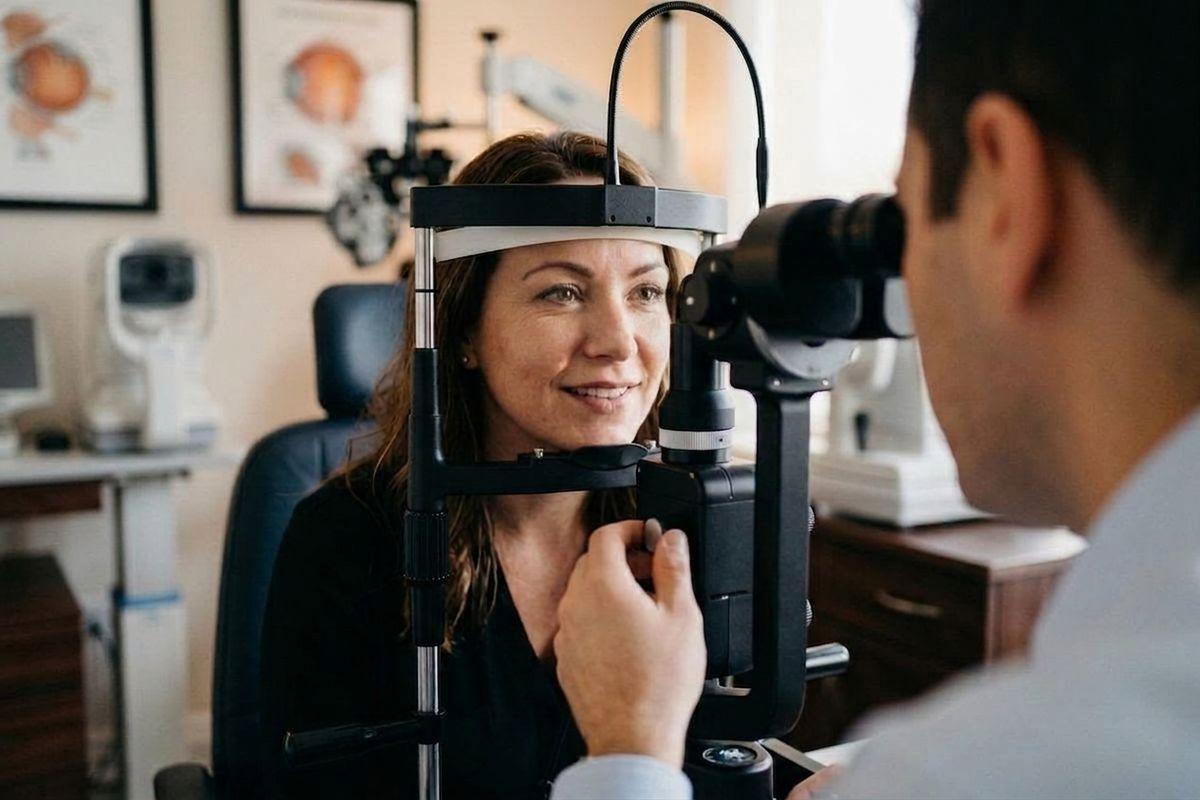
You might think that a trip to see our team at Parkview Optometry is purely to update your prescription for new glasses. However, an eye exam does much more: it also offers a view into the inner workings of your body.
An eye exam can detect systemic diseases like diabetes, high blood pressure, high cholesterol, and autoimmune conditions, often before you notice other physical symptoms. This routine check helps protect both your sight and your general health.
The Link Between Vision & Total Body Health
The back of your eye is the only place in your body where your blood vessels are visible without an invasive procedure. This means that your eye doctor can look at them directly. Any changes to the shape or size of your blood vessels offer early clues about your general wellness, which means that eye exams can actually tell us a lot about your health.
Window to Your Blood Vessels
Your optic nerve connects directly to your brain and acts like a physical extension of your central nervous system.
Subtle shifts in the colour or shape of the optic nerve can indicate shifts in your health, allowing you to manage concerns before they turn into bigger problems. Routine adult and senior eye exams help track changes to your optic nerve year after year.
Common Diseases Found in an Eye Exam
Routine visits often uncover general health issues. Here are some of the ones most commonly found:
Diabetes and Prediabetes
Blood sugar spikes can damage your blood vessels, causing fluid to leak from them. Catching these leaks early lets you know to seek general medical care.
High Blood Pressure
When your blood pressure is high, your blood moves through your body with more force. This force creates visible kinks or bends in the blood vessels behind your eye, which can signal hypertension.
High Cholesterol
High cholesterol leaves physical marks on your eyes. For instance, you might notice yellow or blue rings forming around your corneas. Your eye doctor will also look for small deposits blocking your retinal blood vessels. Spotting these blockages early helps reduce the risk of severe heart issues down the road.
Rare Illnesses and Health Conditions
Beyond common ailments, your eyes can also signal less common health challenges.
Autoimmune and Neurological Signs
Inflammation inside the eye frequently points to autoimmune disorders, including signs of lupus or rheumatoid arthritis.
Multiple sclerosis also changes the appearance of your optic nerve. Sudden shifts in your vision or unusual nerve patterns help flag these neurological concerns early.
Changes Related to Tumours
Brain tumours can press against the pathways connecting your eyes to your brain. This pressure can contribute to a gradual loss of side vision, which your eye doctor can test for with visual field testing.
Your eye doctor will also look for unusual spots or freckles inside your eyes. These marks can sometimes indicate melanoma or other serious health conditions. Identifying these changes quickly helps you get the right medical support.
Quiet Eye Conditions Without Symptoms
Some vision problems develop slowly and silently. In some cases, you can suffer significant vision loss even before you even realize that something is wrong.
Focus on Glaucoma
Glaucoma damages your optic nerve, usually due to elevated pressure. This condition builds up silently with no early signs or pain.
You might notice gradual changes to your peripheral vision over time. These changes often happen so slowly that your brain simply adapts to the loss. Early visits help protect your sight by catching the pressure increase before vision loss begins.
Our team offers routine glaucoma screenings to monitor your pressure levels.
When to See an Optometrist in Oshawa
Sticking to a reliable schedule helps you maintain good eye health. A routine check is a simple way to track changes year after year. Your eye doctor can compare your current results with past visits to spot subtle trends.
Suggested Visit Schedule
Every stage of life requires a different level of attention. You can follow these basic guidelines to stay on top of your health:
- Adults need an eye exam every two years.
- Seniors over 65 require annual visits.
- People with diabetes need yearly checks.
Parkview Optometry blends classic care with a modern edge to bring you a comfortable experience. Book your next eye exam today to help protect your vision and your overall health.